
A new roof is one of the most significant investments you’ll make in your home. Protecting that investment starts with understanding your roof warranty and knowing how to avoid accidentally voiding coverage. This guide explains key warranty details Wisconsin homeowners should understand and how to make the most of that protection, especially after harsh winter weather.
Roof Warranty Coverage
A roof warranty is a written guarantee provided by roofing manufacturers and contractors. It assures homeowners that the materials and workmanship meet specific quality and performance standards. If problems occur during the warranty period, the provider may repair or replace affected components when the issue falls within the agreement’s terms.
Types of Roofing Warranties
When you invest in a new roof, both the manufacturer and the installing contractor may offer warranties. These typically include the following:
Standard Manufacturer’s Warranty
A standard manufacturer’s warranty reflects confidence in the roofing materials themselves. It generally covers defects that cause shingles or other components to fail prematurely. Coverage often lasts between 25 and 50 years, and some manufacturers offer lifetime warranties.
However, manufacturer warranties do not cover installation errors, lack of maintenance, or damage caused by extreme weather. If winter conditions result in issues such as ice dam leaks, wind damage, or structural stress, the manufacturer typically will not be responsible unless the problem can be traced directly to a material defect.
Contractor Workmanship Warranty
The quality of installation plays a major role in your roof’s longevity. Installation errors can not only cause damage but may also void a manufacturer’s warranty. This is why it’s essential to work with a licensed, reputable roofing contractor.
A workmanship warranty is provided by the installer and covers problems caused by improper installation, such as poor sealing, incorrect fastening, inadequate ventilation, or other errors that may lead to leaks or structural issues. Coverage length varies widely. Some contractors offer one year, while others provide long-term or even lifetime workmanship warranties.
In Wisconsin, securing a strong workmanship warranty is especially important. Harsh winters often reveal installation flaws that may not appear during warmer months. A dependable workmanship warranty ensures the contractor will correct issues tied to installation if winter weather exposes them.
Extended Manufacturer’s Warranty
Some manufacturers offer extended warranties that provide a higher level of protection beyond the standard material coverage. These plans often cover both materials and installation-related issues.
To qualify, the roof usually must be installed by a contractor certified by the manufacturer, or homeowners may pay an additional fee. Extended warranties are typically optional and available at an added cost.
Extended warranties can often be customized. Some plans simply extend material coverage, while others include installation protection, tear-off costs, disposal fees, or coverage for components like underlayment and ventilation systems. More comprehensive plans provide added peace of mind if winter weather contributes to roofing issues.
Prorated vs. Non-Prorated Warranties
Roofing warranties are either prorated or non-prorated. A non-prorated warranty provides full coverage for the entire warranty period, meaning the provider covers the full cost of repairs or replacement for covered issues.
Prorated warranties reduce coverage over time. As the roof ages, homeowners are responsible for an increasing portion of repair or replacement costs. Understanding this distinction helps avoid surprises when filing a claim.
Filing a Roof Warranty Claim After Winter Damage
Roof damage after winter can be stressful, but it shouldn’t stop you from filing a valid warranty claim. Knowing the proper steps and requirements improves your chances of success.
Review Your Warranty Documents
A warranty is a contract, and providers will only honor claims if homeowners meet the outlined conditions. This typically includes reporting damage within a specific timeframe, maintaining the roof properly, and keeping records of inspections or repairs.
Review what’s covered, what’s excluded, how long coverage lasts, and your responsibilities as a homeowner. Being well informed helps prevent mistakes that could weaken or invalidate your claim.
Get a Professional Inspection
Winter roof damage is often more extensive than it appears. What looks like a small leak may be the result of structural stress, ice dams, or material failure caused by heavy snow loads.
A licensed roofer can safely inspect areas that are not easily accessible and determine whether the damage is related to materials, installation, or winter conditions. A detailed inspection report provides strong documentation for warranty claims by clearly identifying the cause and severity of the damage.
Contact the Warranty Provider
Once you’ve gathered documentation, contact the manufacturer or contractor who issued the warranty within the required timeframe.
The provider may review your materials and schedule an inspection of their own. Being available and cooperative during this process helps avoid delays or misunderstandings.
Contact Schmidt Roofing for Professional Help
Schmidt Roofing has proudly served homeowners throughout the region for more than 30 years. We specialize in insurance and warranty restoration projects and are available when you need us most.
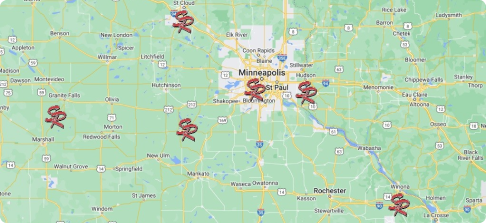
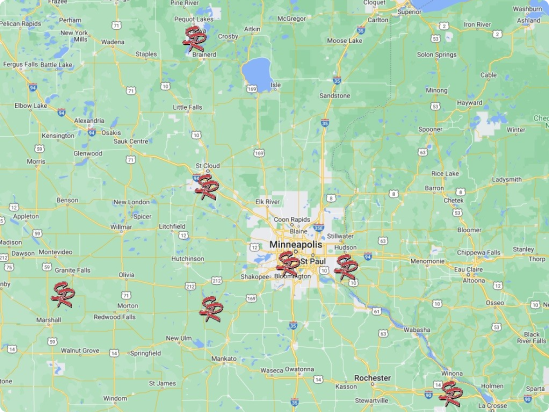
You can rely on our team to guide you through the warranty process and provide expert roof repair or replacement services. Contact Schmidt Roofing today for professional assistance with roof warranty claims in Arlington, Hudson, Eau Claire, and surrounding areas.